
In moments of grief, human instinct often takes control before logic has time to intervene. When someone we love dies, words feel inadequate, and actions become symbolic.
For many people across cultures and generations, the final goodbye includes a gentle kiss on the forehead, a soft touch of the hand.
Or a quiet moment of physical closeness. These gestures are deeply rooted in human tradition, serving as a bridge between life and loss, presence and absence. They are not merely habits, but rituals of love, comfort, and closure.
In recent years, however, medical professionals have begun raising a difficult and emotionally sensitive question:
can physical contact with the deceased, particularly kissing the face, pose a health risk to the living?3 What sounds, at first, like a cold or clinical interruption into a sacred moment has sparked widespread discussion.

Families now find themselves navigating a delicate balance between emotional needs and practical safety during one of the most vulnerable times of their lives.
Doctors and public health experts who address this topic often emphasize an important clarification: death does not immediately halt all biological processes.
While life has ended, the body does not instantly become sterile. For a limited period after death, microorganisms such as bacteria and viruses may still be present on the skin, in bodily fluids, and around areas like the mouth, nose, and eyes.
This is a natural biological reality, not a cause for panic, but one that requires understanding.
Medical professionals explain that once the immune system stops functioning, the body can no longer regulate or suppress microbial activity. As a result, certain pathogens may persist temporarily, especially if the person died from an infectious disease.

The risk of transmission is generally considered low, particularly in everyday circumstances, but it is not zero.
Factors such as the cause of death, the time that has passed, and the type of contact involved all influence the level of risk.
For example, individuals who died from non-infectious causes—such as heart disease, stroke, or trauma—generally pose minimal risk to others through brief contact.
In contrast, deaths involving contagious illnesses, particularly those affecting the respiratory system or involving bloodborne pathogens, may carry a higher potential for transmission, especially if close contact occurs soon after death and before the body has been professionally prepared.

This guidance has understandably stirred strong emotional reactions. For many families, physical contact with the deceased is not optional—it is a crucial part of mourning.
In some cultures, washing the body, touching the face, or kissing the forehead is a sacred duty performed out of love and respect.
Being advised to avoid such gestures can feel deeply distressing, even cruel, as though an essential human right is being taken away at the most painful moment imaginable.
Mental health professionals have weighed in on this emotional dimension, noting that mourning rituals play a vital role in psychological healing.
These rituals help the brain process loss, providing a sense of reality, finality, and connection.
When traditional practices are disrupted or forbidden, some individuals may experience prolonged or complicated grief, marked by guilt, regret, or unresolved sadness.
The emotional impact of restricted farewells became particularly visible during global public health crises, when safety protocols often prevented families from being present at the moment of death or from seeing their loved ones afterward.
Many people reported feelings of shock, disbelief, and emotional numbness, describing the loss as unfinished or unreal.
These experiences highlighted how deeply humans rely on physical rituals to make sense of death.
At the same time, medical professionals stress that their intention is not to remove comfort from grieving families, but to provide awareness and informed choice.
Most experts agree that blanket rules are neither practical nor compassionate.
Instead, they encourage families to consider the specific circumstances surrounding each death.
Healthcare workers and funeral professionals play an important role in this process.
They can explain whether the person had a contagious illness, how long it has been since death, and what precautions—if any—are recommended.

In many cases, simple adjustments can significantly reduce risk while still allowing families to say goodbye in a meaningful way.
For instance, rather than kissing the face, loved ones may choose to hold the hand, touch the shoulder, or sit quietly nearby.
Waiting until the body has been washed, dressed, and prepared by trained professionals can also lower potential risks.
Hand hygiene before and after contact is another basic but effective precaution. These alternatives may not feel identical to traditional gestures, but they can still provide comfort and closure.
Importantly, experts emphasize that context matters. The presence of microorganisms does not automatically translate into danger.
Healthy individuals with intact immune systems are generally at low risk from brief, non-invasive contact. T
he goal is not fear, but understanding—recognizing that emotional needs and health considerations can coexist rather than compete.
Religious and cultural leaders have also joined the conversation, seeking ways to adapt traditions without losing their meaning.
Many have emphasized that intention, rather than physical proximity, is what truly defines a farewell.
Prayers, spoken words, symbolic gestures, and shared silence can all carry profound emotional weight, even in the absence of physical contact.
From a broader perspective, this discussion reflects a growing awareness of how science and emotion intersect at the end of life.
Modern medicine has extended life expectancy and improved safety in countless ways, but it has also introduced new ethical and emotional challenges.
Navigating these challenges requires sensitivity, flexibility, and respect for both evidence and human experience.
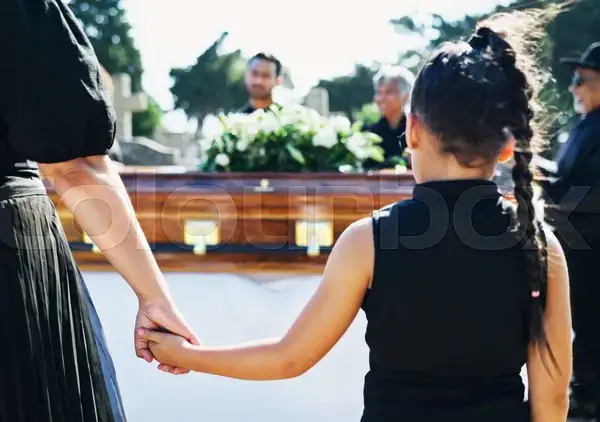
Public health authorities generally agree on one core message: there is no need for alarm, but there is value in being informed.
Most deaths do not pose a serious health risk to those who mourn the deceased.
When risks do exist, they are usually specific and manageable.
Honest communication between families, doctors, and funeral staff can prevent unnecessary fear while ensuring reasonable precautions are taken.
Ultimately, the final goodbye is not defined by a single action. Love is not contained in a kiss alone, nor is grief diminished by caution.
What matters most is that families are given the information they need to make choices aligned with both their values and their well-being.
By understanding the biological realities of death alongside the emotional importance of mourning rituals, families can navigate this moment with clarity rather than confusion.
Awareness does not erase compassion, and safety does not have to come at the expense of dignity.
When approached with care, empathy, and respect, it is possible to honor the deceased while protecting the living.
In the end, grief remains deeply personal. There is no universal rule that fits every family, every culture, or every circumstance.
What remains constant is the human need to say goodbye—to acknowledge love, loss, and the bond that continues even after life has ended.
With thoughtful guidance and informed choice, that farewell can remain both meaningful and safe.